“Wisdom is like money: they both help. But wisdom is better, because it can save whoever has it.”
Stillmeadow values the health and well-being of our community. We are aware of, and strive to meet the needs of those who have compromised immune systems, various ages and health conditions, and basic comforts such as personal space and contact. We would like to remind everyone that the best way to prevent the Coronavirus from spreading is by using universal good hygiene, practices such as hand-washing, social distancing at least 6 feet from others, and wearing facial masks.
African American Health Program (AAHP)
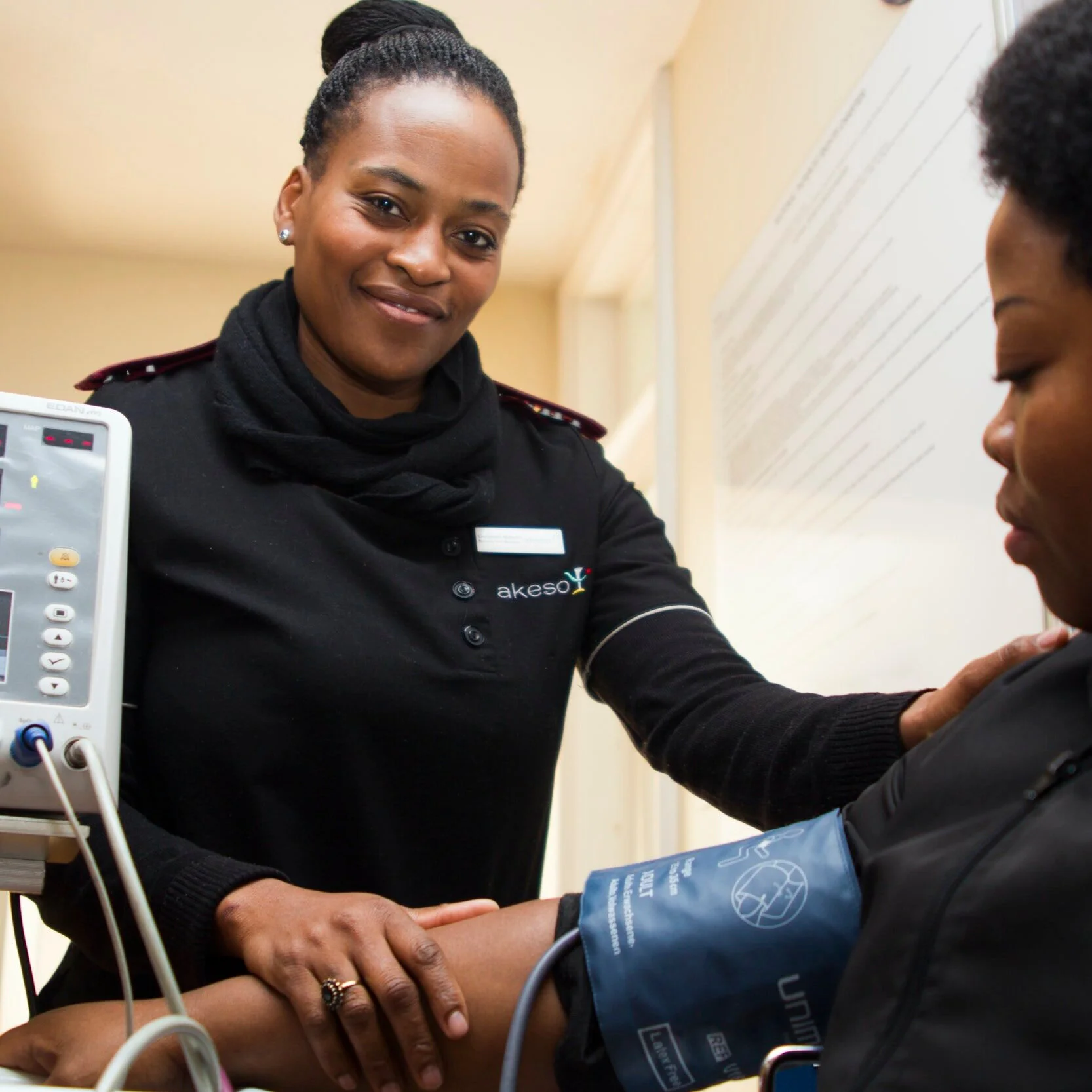
In Montgomery County and the U.S., African Americans have the lowest health status compared to other racial/ethnic groups. The African American Health Program (AAHP) works to close this disparity by providing free, critical health services, helping African Americans thrive in all aspects of life and society.

Coronavirus Pandemic (COVID-19)
Statistics and Research

JHU Resource Center
JHU’s Daily COVID-19 Data in Motion report shares critical data on COVID-19 from the last 24 hours.
covid-19 vaccine faq (adults & seniors, Feb 2021)


Please Stay Safe!!


Answers to your most common questions:
What is a coronavirus?
It is a novel virus named for the crownlike spikes that protrude from its surface. The coronavirus can infect both animals and people and can cause a range of respiratory illnesses from the common cold to lung lesions and pneumonia.
How contagious is the virus?
It seems to spread very easily from person to person, especially in homes, hospitals and other confined spaces. The pathogen can travel through the air, enveloped in tiny respiratory droplets that are produced when a sick person breathes, talks, coughs or sneezes.
Where has the virus spread?
The virus, which originated in Wuhan, China, has sickened more than 89,700 in at least 67 countries and more than 3,000 have died. The spread has slowed in China, but is picking up speed in Europe and the United States.
What symptoms should I look out for?
Symptoms, which can take between two to 14 days to appear, include fever, cough and difficulty breathing or shortness of breath. Milder cases may resemble the flu or a bad cold, but people may be able to pass on the virus even before they develop symptoms.
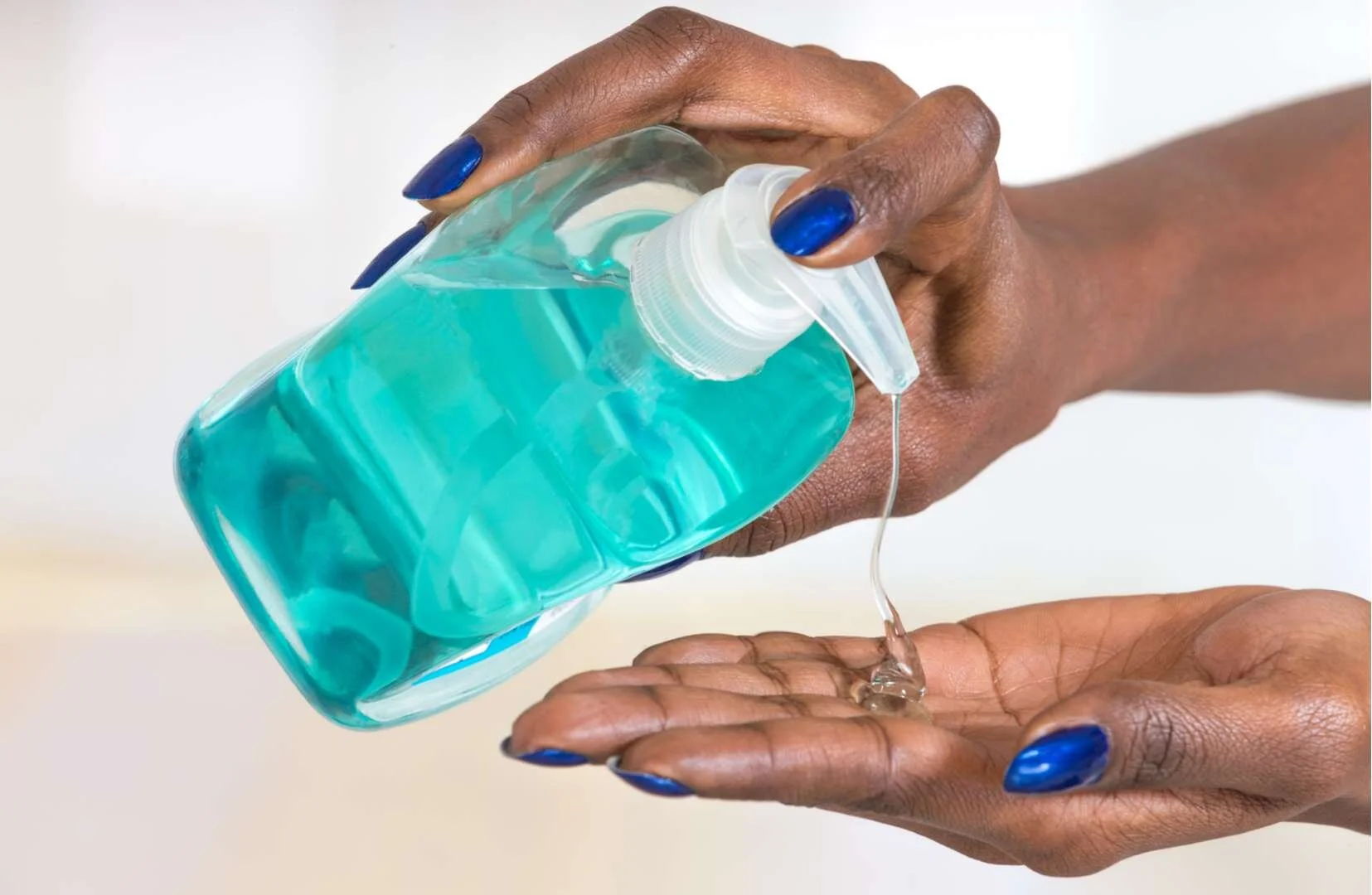

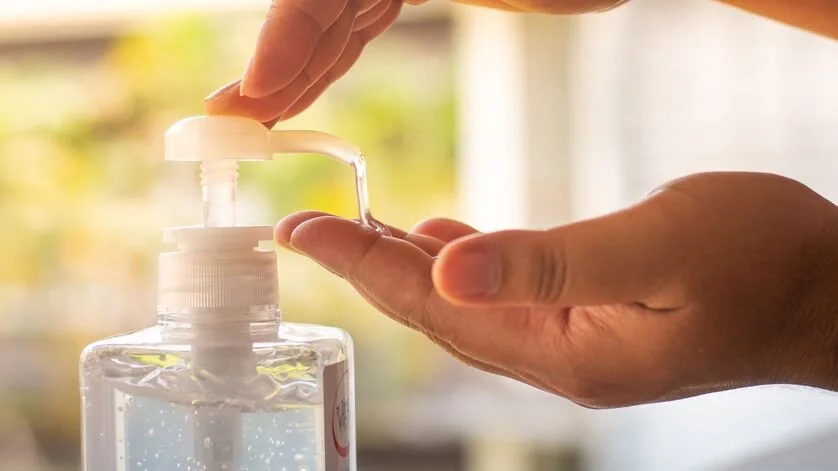


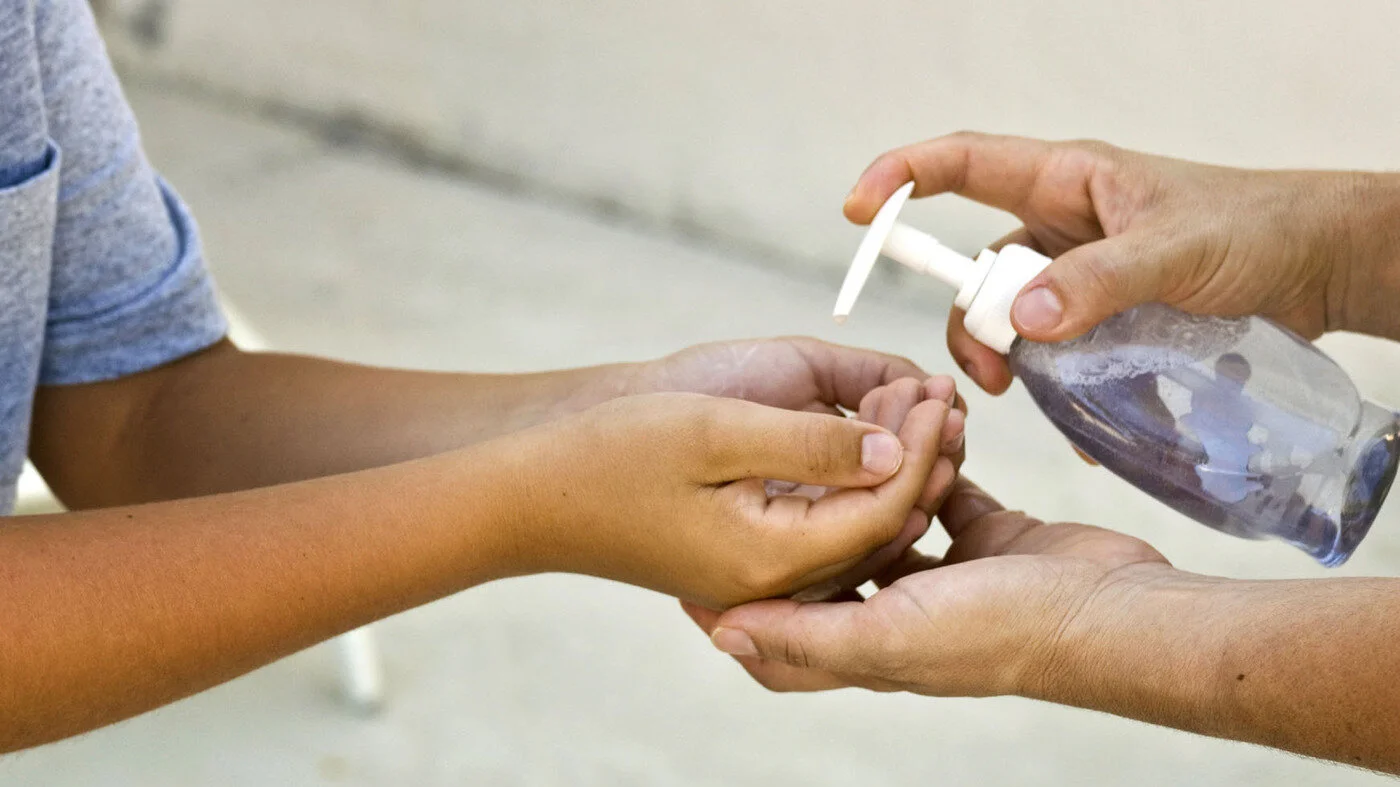
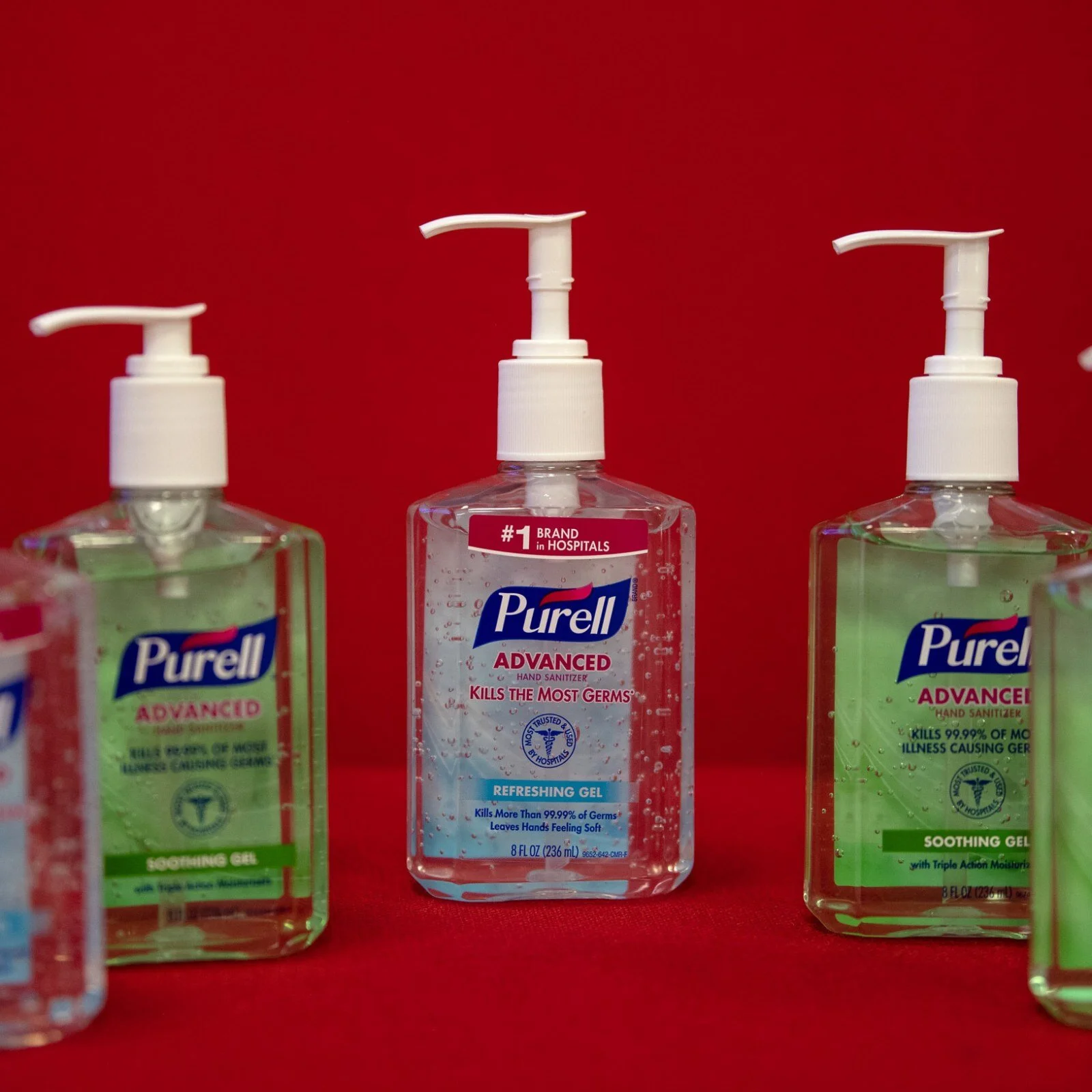
How do I keep myself and others safe?
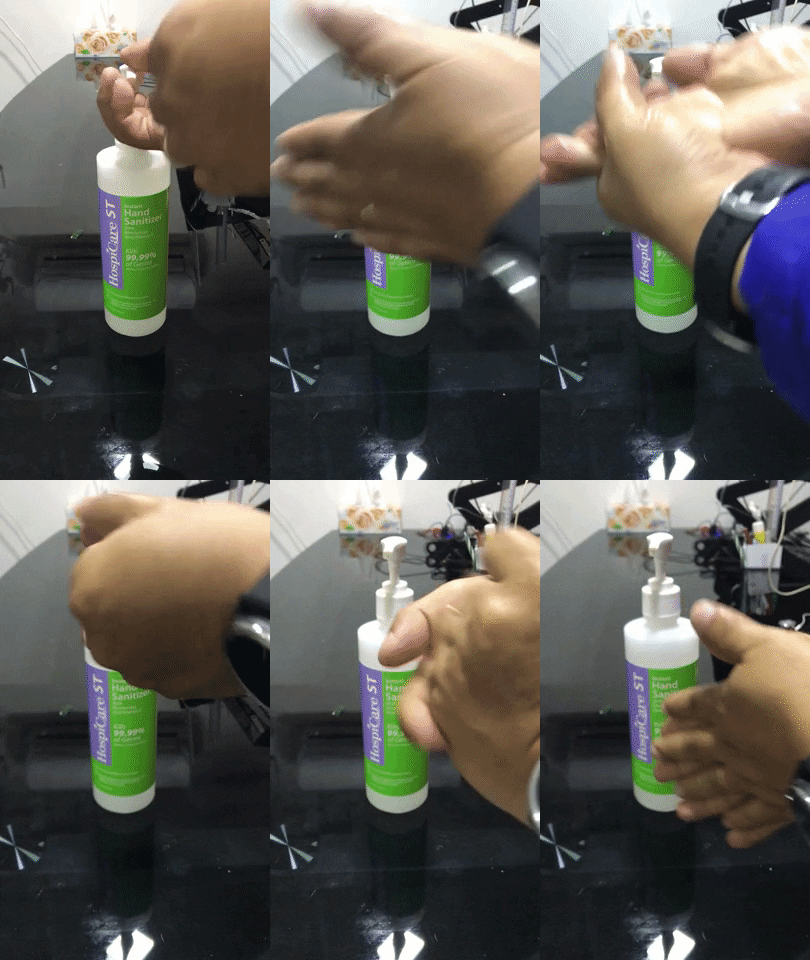
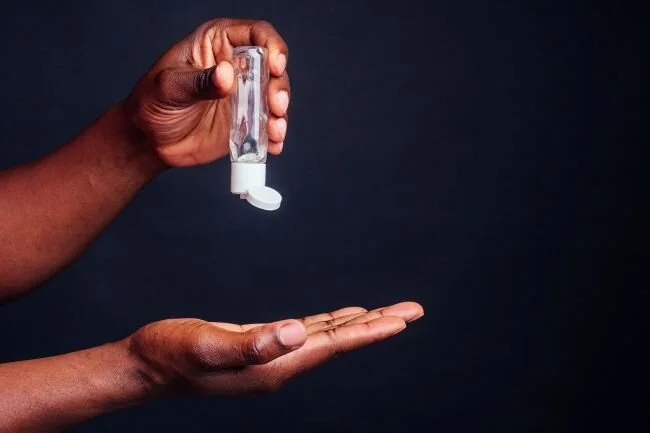
Washing your hands frequently is the most important thing you can do, along with staying at home when you’re sick and avoiding touching your face.
How can I prepare for a possible outbreak?
Keep a 30-day supply of essential medicines. Get a flu shot. Have essential household items on hand. Have a support system in place for elderly family members.
What if I’m traveling?
The C.D.C. has advised against all non-essential travel to South Korea, China, Italy and Iran. And the agency has warned older and at-risk travelers to avoid Japan.
How long will it take to develop a treatment or vaccine?
Several drugs are being tested, and some initial findings are expected soon. A vaccine to stop the spread is still at least a year away.
This article excerpt was originally printed in NYTIMES : https://www.nytimes.com/article/coronavirus-symptoms-flu.html
More information via CDC: https://www.cdc.gov/coronavirus/2019-ncov/communication/videos.html

Additional infographics from various sources via web.